Sewage cleanup in American Fork: health risks and safe removal
Raw sewage carries bacteria, viruses, and parasites that make a backup dangerous within hours. Here is what the health risks actually are in American Fork, and how safe removal works.
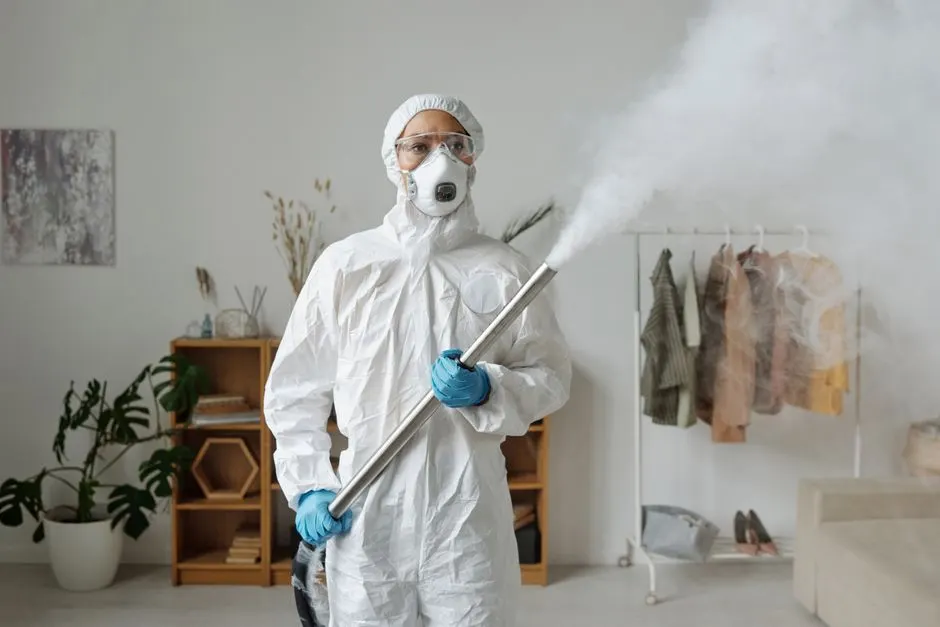
Sewage cleanup in American Fork carries serious health risks because raw sewage is classified as category 3 "black water" - it contains bacteria like E. coli and Salmonella, viruses including norovirus and hepatitis A, and parasites such as Giardia and Cryptosporidium. Those pathogens can cause gastrointestinal illness, skin infections, and in rare cases life-threatening complications, and they become airborne as microscopic droplets the moment a backup is disturbed. This guide covers what those risks actually look like in a home, how safe removal works step by step, and when a backup is a DIY job versus a call to a professional.
If you are standing in a flooded basement right now, skip ahead to the removal section. If you are reading this while the water is still rising, call us at (855) 927-6272 and we will walk you through what to do in the next ten minutes.
What makes sewage backup water dangerous in American Fork
Sewage backup water is dangerous in American Fork because it is not just dirty water - it is a biological soup of human waste, industrial runoff, and whatever else was in the municipal line before it reversed into your home. The IICRC classifies it as Category 3, the most contaminated category of water damage, and that classification is what drives every safe-removal decision that follows.
The contamination load is measurable. A single gram of raw sewage can contain over a million colony-forming units of bacteria. Norovirus particles remain infectious on hard surfaces for up to two weeks. Hepatitis A survives on dry surfaces for months. These are not hypothetical numbers - they are why our technicians wear full PPE and why we treat every sewage job as a biohazard scene, not a mop-up.
There is also a gas component most homeowners do not think about. Sewage releases hydrogen sulfide, methane, and ammonia as it decomposes. In a closed basement, hydrogen sulfide can reach concentrations that cause headaches, nausea, and dizziness within an hour. Methane is flammable. If you smell rotten eggs, you are smelling a real hazard, not just an unpleasant odor.
One more thing: sewage water is electrically conductive. If the backup reached any outlet, appliance, or extension cord, do not enter the room until power to that circuit is shut off at the breaker. We handle that step on arrival, but if you are waiting for us, stay out of standing water near anything plugged in.
The real health risks of sewage cleanup in American Fork
The health risks of sewage cleanup in American Fork fall into four buckets: infection through ingestion, infection through open cuts, respiratory illness from aerosolized pathogens, and chemical exposure from gases and cleaning agents. Each one has a different exposure pathway, and each one is preventable with the right equipment and sequence.
Ingestion and hand-to-mouth transmission
This is the most common route. You touch a contaminated surface, then touch your face, eat, or drink. E. coli O157:H7 causes bloody diarrhea and can trigger kidney failure in children under five and adults over 65. Salmonella causes fever and cramps that last four to seven days. Norovirus spreads so efficiently that a single contaminated bathroom can infect an entire household within 48 hours.
Hand sanitizer does not kill Cryptosporidium. Only soap and water, scrubbed for at least 20 seconds, removes it from skin. That is why we wash hands at a utility sink, not a bathroom sink, and why we tell families to use a different bathroom entirely until the job is done.
Open cuts and skin contact
Any break in the skin - a paper cut, a shaving nick, a scraped knuckle - becomes an entry point. Staphylococcus and Streptococcus infections from sewage-contaminated water can escalate to cellulitis within 24 to 48 hours. If you have diabetes, eczema, or an immune condition, your risk is higher and your threshold for calling a professional should be lower.
Airborne pathogens and respiratory exposure
When you walk through standing sewage, when you pull up wet carpet, when you run a shop vac over contaminated water - you aerosolize pathogens. Those droplets hang in the air for 30 minutes or more. Inhaling them can cause respiratory infections, and for people with asthma or COPD, it can trigger an acute episode. This is the single biggest reason we tell homeowners not to run a wet/dry vac on a sewage backup. It looks like progress. It is actually the most efficient way to spread contamination through the whole house.
Chemical and gas exposure
Mixing bleach with ammonia-based cleaners - which happens when people grab whatever is under the sink - produces chloramine gas. In a small bathroom, that can cause chemical pneumonitis. We use EPA-registered disinfectants formulated for Category 3 water, and we ventilate before we apply anything.
How do you safely remove sewage in American Fork UT?
Safe sewage removal in American Fork UT follows a fixed sequence: stop the source, isolate the area, extract solids and liquids, remove unsalvageable materials, disinfect, dry, and verify. Skipping or reordering any step leaves contamination behind that will show up as mold or odor weeks later.
Here is the sequence our crews run on every job:
- Stop the source. If the backup is still active, we locate the blockage or the failing line and stop flow before anything else. No extraction matters if more is coming.
- Isolate and ventilate. Plastic sheeting at doorways, negative air pressure with HEPA filtration, and open windows where safe. This keeps spores and droplets out of the rest of the house.
- Extract. Truck-mounted extraction units pull standing sewage and the water trapped in carpet padding, subfloor seams, and baseboard gaps. A shop vac cannot reach that water, and it cannot handle solids.
- Remove unsalvageable materials. Carpet, pad, drywall below the water line, insulation, and sometimes baseboards. Porous materials that absorbed Category 3 water cannot be cleaned to a safe standard. They get bagged and hauled.
- Disinfect. EPA-registered disinfectant applied to every affected surface, including studs, subfloor, and the back side of wall cavities. Contact time matters - we follow the label, not a guess.
- Dry. Commercial dehumidifiers and air movers bring structural materials below 16% moisture content, verified with a pin meter. This typically takes three to five days for a basement, longer for a crawl space.
- Verify. Moisture readings, ATP swabs for organic residue, and a final walkthrough. We do not call a job done until the numbers say it is done.
If you are dealing with a toilet backup specifically, the water is usually Category 3 only if it contains feces or if it has been sitting more than 48 hours. A clean-water toilet overflow from a supply line is Category 1 and much simpler. Our toilet overflow cleanup American Fork UT page breaks down the difference and what each one costs.
For backups that have spread into a finished basement, the job is bigger than it looks. Sewage wicks up drywall, saturates framing, and pools under flooring. Our basement flood cleanup American Fork UT crews handle the extraction, the tear-out, and the rebuild coordination so you are not managing three contractors.
Why American Fork homes back up more than you would expect
American Fork has a specific combination of factors that makes sewage backups more common here than in many Utah County cities: a mix of older clay and cast-iron lateral lines in the historic core, newer PVC in the subdivisions, and a spring snowmelt season that pushes groundwater into aging joints.
In the Water Damage Restoration in American Fork Historic District, we regularly find original cast-iron drain lines that have scaled down to half their original diameter. Roots from mature trees find those joints and work their way in. A line that flows fine in January can back up in April when the water table rises and the soil shifts.
In newer neighborhoods like Water Damage Restoration in Highland Ridge, the issue is usually different - sump pumps that were never sized for a 100-year storm, or a city main that surcharges during a heavy rain event and pushes water back up the lateral. That is a different fix: a backwater valve, not a rooter.
Either way, the cleanup is the same. If you are in one of the older blocks downtown, expect us to find more hidden contamination behind baseboards and under original hardwood. If you are in a newer build, expect the water to have traveled further under the slab before you noticed it.
Common mistakes homeowners make after a sewage backup
The mistakes we see most often after a sewage backup all share one root cause: treating black water like clean water. Here is what to avoid.
- Running a shop vac or wet/dry vac. It aerosolizes pathogens and does not have a HEPA filter rated for Category 3 water. You will spread contamination to every room the exhaust reaches.
- Using a household fan to dry the area. Same problem, plus it pushes contaminated air into HVAC returns if the system is running.
- Bleaching the surface and calling it clean. Bleach does not penetrate porous materials. It kills what it touches on the surface and leaves the rest. Subfloor and drywall need removal, not a spray bottle.
- Waiting to see if it dries on its own. Mold colonization starts within 24 to 48 hours. By the time you smell it, you have a mold remediation job on top of a sewage cleanup job.
- Filing an insurance claim before documenting. Photograph everything, including the source, before anything is moved. Adjusters want to see the pre-cleanup condition.
- Letting kids or pets back into the area. Children crawl on floors and put hands in mouths. Pets lick surfaces. Keep both out until we have verified the space.
One more: do not pour drain cleaner down the line and assume the problem is solved. If the backup was caused by a root intrusion or a collapsed line, the cleaner will clear a pinhole and the next heavy rain will put you right back where you started.
When to call a professional
Call a professional for any sewage backup that covers more than about 10 square feet, involves a finished space, or has been sitting longer than 24 hours. Those three thresholds cover the vast majority of residential backups, and each one pushes the job past what household equipment can safely handle.
There is also a category of backup that is always a professional job regardless of size: any backup in a home with an infant, a pregnant person, an elderly resident, or anyone immunocompromised. The pathogen load that a healthy adult can shrug off can put a vulnerable family member in the hospital.
Quickcrest Concourse handles sewage cleanup across American Fork and the surrounding Utah County area. We are licensed, insured, and we carry the extraction and disinfection equipment this work requires. We quote the job upfront before we start, and we bill insurance directly when the policy covers it. If you are not sure whether your situation warrants a call, call anyway - we would rather tell you it is a simple fix than have you find out otherwise three days from now.
If the sewage has already started to dry and you are noticing a musty smell, you may be looking at a secondary problem. Our mold remediation after water damage American Fork UT team can assess both issues in one visit.
Frequently Asked Questions
What are the health risks of sewage cleanup in American Fork?
The main risks are bacterial infections (E. coli, Salmonella), viral infections (norovirus, hepatitis A), parasitic infections (Giardia, Cryptosporidium), and respiratory illness from inhaled aerosols. Hydrogen sulfide and methane gas exposure is a secondary risk in enclosed spaces. Symptoms typically appear 12 to 48 hours after exposure and range from cramps and diarrhea to serious complications in vulnerable people.
How do you safely remove sewage in American Fork UT?
Safe removal means stopping the source, isolating the area with negative air pressure, extracting standing water and saturated materials with truck-mounted equipment, removing all porous materials that absorbed Category 3 water, applying EPA-registered disinfectant with proper contact time, and drying structural materials below 16% moisture content. The full process takes three to five days for a typical basement.
Who does sewage cleanup near me in American Fork?
Quickcrest Concourse provides 24/7 sewage cleanup in American Fork and across Utah County. We handle extraction, tear-out, disinfection, drying, and insurance documentation. Call (855) 927-6272 and we will dispatch a crew, usually within 60 to 90 minutes of your call.
Is sewage backup water dangerous in American Fork Utah?
Yes. Sewage is classified as Category 3 black water, the most contaminated category. It contains over a million colony-forming units of bacteria per gram in some samples, plus viruses and parasites. It should never be handled without PPE, and any porous material it touches should be removed rather than cleaned.
Can I clean up a small sewage backup myself?
Only if it is under about 10 square feet, on a hard non-porous surface, caught within a few hours, and nobody in the home is immunocompromised. You need rubber gloves, eye protection, an N95 or P100 respirator, and EPA-registered disinfectant. Anything larger, or anything on carpet or drywall, needs professional extraction and disinfection.
Get help with Water Damage Restoration in American Fork
Sewage backups do not get safer with time. Every hour the contamination sits, it spreads further into framing, subfloor, and air, and the cleanup scope grows with it. Our Water Damage Restoration team is on call 24 hours a day for American Fork homeowners.
Call (855) 927-6272 now and we will tell you exactly what to do while we are on the way.